|
|
|
|
|
|
|
|
|
| การประมวลผลและระบบของดาต้าเซ็นเตอร์ |
|
| เข้าดู: 82 ตอบ: 0 21/08/26 22:08 |
| รายละเอียด : |
การประมวลผลที่ขอบเครือข่ายและระบบของดาต้าเซ็นเตอร์ ขนาดไมโคร
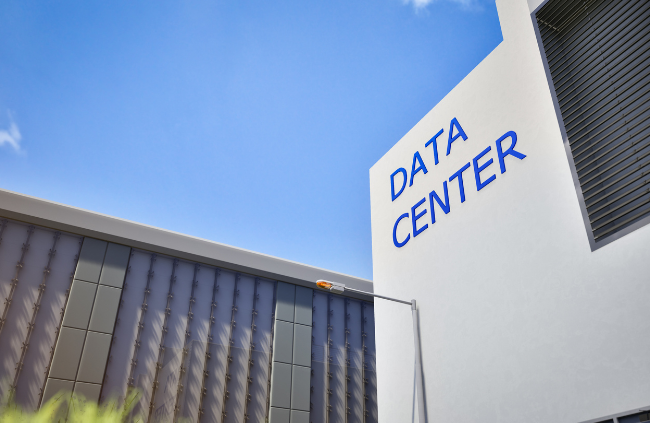
การขยายตัวของเทคโนโลยีอินเทอร์เน็ตความเร็วสูงและยานยนต์ไร้คนขับต้องการการประมวลผลข้อมูลที่รวดเร็วและมีความหน่วงต่ำ แนวคิดการกระจายจุดประมวลผลมาไว้ใกล้กับแหล่งกำเนิดข้อมูลจึงก่อให้เกิด ดาต้าเซ็นเตอร์ ขนาดเล็กแบบสำเร็จรูปหรือระบบเอดจ์คอมพิวติ้ง ศูนย์ประมวลผลขนาดไมโครเหล่านี้สามารถติดตั้งได้ตามฐานเสาสัญญาณโทรศัพท์หรือในโรงงานอุตสาหกรรม โดยผสานเครื่องเซิร์ฟเวอร์ ระบบความเย็น และเครื่องสำรองไฟไว้ในกล่องหุ้มขนาดกะทัดรัด การจัดการประมวลผลที่ปลายทางช่วยลดภาระแบนด์วิดท์ในการส่งข้อมูลกลับไปยังเซิร์ฟเวอร์คลาวด์หลักและเพิ่มความเร็วในการตอบสนองคำสั่งแบบเรียลไทม์
การจัดการพลังงานด้วยซอฟต์แวร์และการลดการปล่อยคาร์บอนฟุตพริ้นท์
นวัตกรรมการบริหารจัดการศูนย์ข้อมูลยุคใหม่พึ่งพาซอฟต์แวร์วิเคราะห์โครงสร้างพื้นฐานเพื่อตรวจสอบประสิทธิภาพการใช้พลังงานของเครื่องทำความเย็นและแหล่งจ่ายไฟ ซอฟต์แวร์สามารถสั่งปรับรอบพัดลมและปริมาณน้ำยาทำความเย็นแบบไดนามิกตามภาระการประมวลผลของเครื่องเซิร์ฟเวอร์ในแต่ละช่วงเวลา การลดการสูญเสียพลังงานในระบบสนับสนุนช่วยให้ศูนย์ประมวลผลข้อมูลสามารถลดการปล่อยก๊าซเรือนกระจกได้อย่างมีนัยสำคัญ การผลักดันเทคโนโลยีสีเขียวนี้ตอบโจทย์นโยบายด้านสิ่งแวดล้อมและสังคมขององค์กรขนาดใหญ่ระดับสากล
สถาปัตยกรรมการจำลองข้อมูลข้ามพื้นที่เพื่อความคล่องตัวทางธุรกิจ
แม้จุดประมวลผลจะถูกกระจายตัวออกไป แต่ข้อมูลที่สำคัญยังคงต้องได้รับการปกป้องจากเหตุภัยพิบัติ สถาปัตยกรรมโครงข่ายจะทำหน้าที่ทำสำเนาข้อมูลแบบอะซิงโครนัสไปยังศูนย์ข้อมูลสำรองในพื้นที่ภูมิศาสตร์อื่นอย่างต่อเนื่อง หากศูนย์ประมวลผลแห่งใดแห่งหนึ่งสูญเสียการเชื่อมต่อ ระบบบริหารจัดการจะทำการสลับเส้นทางผู้ใช้งานไปยังศูนย์สำรองโดยอัตโนมัติ การวางโครงสร้างที่รัดกุมนี้ช่วยให้ธุรกิจดิจิทัลสามารถให้บริการแอปพลิเคชันและฐานข้อมูลได้อย่างต่อเนื่องโดยไม่มีปัญหาการหยุดชะงักที่กระทบต่อความเชื่อมั่นของผู้บริโภค
|
| ชื่อ : |
Salmon |
 0811122332 0811122332  |
|
|
|
|
|
|
|
ตอบกระทู้
|
|
|
|
|
|
| สถิติ |
| เปิดเว็บไซต์ |
28/01/2011 |
| ปรับปรุง |
13/08/2026 |
| ผู้เข้าชมทั้งหมด |
833,843 |
| ผู้เข้าชมวันนี้ |
1,575 |
| หน้าเข้าชม |
5,698,697 |
| สินค้าทั้งหมด |
294 |
|
|
|